
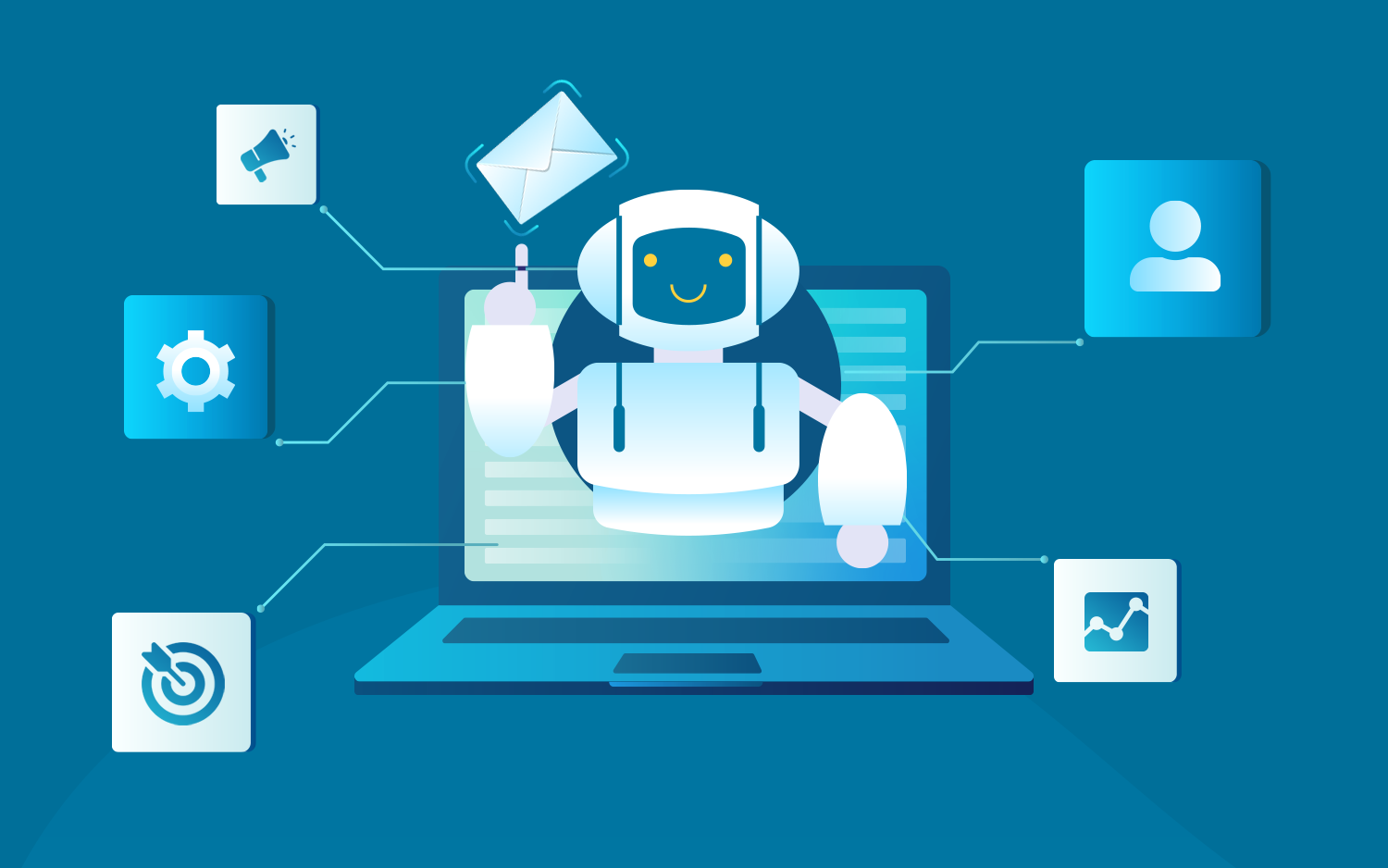
Email marketing remains one of the most reliable digital channels for consistent revenue. Brands rely on email because it offers control, direct access, and measurable results. Still, inbox competition grows every year. Audiences receive dozens of emails daily. Many messages go unopened. Many offers get ignored. This is where AI Tools for Email Marketing create a real shift. These tools replace guesswork with clear data signals. They help marketers send emails that feel timely, relevant, and personal.
Traditional email campaigns depend heavily on manual decisions. Marketers choose subject lines based on instinct. They schedule sends based on habit. They segment lists using static rules. These methods worked in the past, but behaviour patterns now change fast. AI Tools for Email Marketing adapt to these changes in real time. They process user actions, reading habits, and response trends. This leads to emails that match reader intent more closely.
Modern audiences expect relevance. They notice when content feels generic. They disengage when messages arrive at the wrong moment. AI Tools for Email Marketing solve this problem at scale. They study behaviour and adjust content delivery automatically. The result is higher open rates, better click-through rates, and stronger sales performance. Brands that adopt these tools gain consistency and speed without losing human tone.
1. Smarter Subject Line Creation
Subject lines act as the first filter in email marketing. They decide whether a message earns attention or gets ignored. AI Tools for Email Marketing improve this critical step by replacing assumptions with evidence. They study patterns, reader reactions, and language impact to support consistent open rate growth across campaigns.
How Data Shapes High-Impact Subject Lines
AI Tools for Email Marketing examine large volumes of subject line data to identify patterns that trigger action. These systems review word order, emotional cues, character length, and clarity. Over time, they learn which formats attract opens without sounding aggressive or misleading.
Instead of relying on a single idea, AI Tools for Email Marketing generate multiple variations instantly. They test these options across smaller audience samples. The best-performing version then scales automatically. This approach protects brand tone while improving results. Human input remains valuable, but decisions gain support from measurable behaviour rather than instinct alone.
Key Advantages of AI-Driven Subject Lines
- Reduces guesswork in headline writing
- Improves consistency across campaigns
- Identifies tone preferences by audience type
- Adjusts language based on engagement history
- Supports faster campaign launches
2. Predictive Send Time Optimisation
Timing plays a direct role in email visibility. Even strong content fails if it arrives at the wrong moment. AI Tools for Email Marketing solve this issue by learning when each subscriber is most likely to engage. This shifts campaigns from fixed schedules to intelligent delivery windows.
Timing Emails Based on Real Behaviour Signals
AI Tools for Email Marketing monitor when users open, read, and click emails. These tools track behaviour across days and devices. Patterns emerge quickly. The system then predicts optimal send times for each contact, not just broad audience segments.
This personalised timing reduces inbox clutter and improves relevance. Subscribers receive messages when they are already active. AI Tools for Email Marketing also adapt as habits change, ensuring timing remains accurate. Campaigns feel less disruptive and more aligned with daily routines, which supports higher engagement over time.
Benefits of Intelligent Email Timing
- Increases open rate consistency
- Reduces reliance on fixed schedules
- Adapts to changing user routines
- Improves subscriber experience
- Supports global audience delivery
3. Behaviour-Based Audience Segmentation
Traditional segmentation relies on static data. Age, location, or past purchases only tell part of the story. AI Tools for Email Marketing create more accurate segments by analysing live behaviour. This produces sharper targeting and better message relevance.
Segmenting Audiences Through Action Patterns
AI Tools for Email Marketing track how users interact with emails and websites. They observe clicks, reading duration, and response frequency. This data forms dynamic segments that update automatically as behaviour shifts.
Instead of locking users into fixed categories, AI Tools for Email Marketing allow movement between groups. A subscriber interested today may disengage tomorrow. Segmentation adjusts in real time. This ensures content always matches current interest levels. Marketers avoid sending irrelevant messages, which protects engagement and list health.
Outcomes of Behaviour-Based Segmentation
- Higher message relevance
- Reduced audience fatigue
- Cleaner targeting logic
- Improved engagement accuracy
- Stronger long-term retention
4. Personalised Email Content at Scale
Personalisation influences trust. Generic emails often feel distant. AI Tools for Email Marketing allow brands to personalise content deeply without manual effort. This creates emails that feel thoughtful while maintaining scalability.
Delivering Relevant Content Without Manual Complexity
AI Tools for Email Marketing analyse user preferences and past interactions. They adapt content blocks within emails to match interest levels. Product focus, language tone, and layout adjust automatically.
This approach allows one campaign to serve many audience types at once. AI Tools for Email Marketing ensure each reader sees content that fits their needs. Engagement improves because messages feel intentional. Personalisation becomes practical at scale, not just for small lists.
Reasons Personalised Emails Perform Better
- Builds stronger reader trust
- Increases click-through likelihood
- Reduces irrelevant content exposure
- Supports diverse audience needs
- Maintains brand consistency
5. Automated A/B Testing Without Delays
Testing improves performance, but manual testing slows teams down. AI Tools for Email Marketing automate testing across every campaign element. This keeps optimisation active at all times.
Continuous Testing for Faster Improvements
AI Tools for Email Marketing test subject lines, layouts, calls to action, and delivery timing simultaneously. They analyse results in real time and apply winning versions automatically.
This removes delays between test cycles. Marketers receive immediate feedback without extra effort. AI Tools for Email Marketing ensure campaigns improve while they run. Decisions become faster and more accurate.
Strengths of Automated Testing Systems
- Eliminates manual test setup
- Delivers quicker performance insights
- Reduces campaign risk
- Improves response rates steadily
- Saves team resources
6. Improved Deliverability and Inbox Placement
Inbox placement determines campaign visibility. AI Tools for Email Marketing monitor deliverability factors continuously. This protects sender reputation and improves reach.
Keeping Emails Out of Spam Filters
AI Tools for Email Marketing analyse bounce rates, engagement levels, and sender behaviour. They flag issues before deliverability suffers. Adjustments happen early.
These tools support healthier sending patterns. Engagement improves, which strengthens inbox trust. AI Tools for Email Marketing help campaigns reach readers consistently.
Factors That Improve Deliverability
- Cleaner email lists
- Balanced send frequency
- Strong engagement signals
- Stable sender reputation
- Reduced spam complaints
7. Data-Driven Campaign Performance Insights
Metrics matter only when they guide action. AI Tools for Email Marketing translate raw data into clear insights. This supports better strategy decisions.
Turning Metrics Into Clear Direction
AI Tools for Email Marketing highlight what drives opens, clicks, and conversions. They show patterns instead of isolated numbers. This simplifies analysis.
Marketers respond faster. Strategy becomes informed rather than reactive. AI Tools for Email Marketing support continuous learning.
Value of Actionable Performance Insights
- Faster decision-making
- Clear success indicators
- Reduced reporting confusion
- Better future planning
- Improved ROI tracking
8. Reduced Manual Workload for Teams
Manual tasks slow progress. AI Tools for Email Marketing automate routine operations. This improves productivity and focus.
Streamlining Daily Email Operations
AI Tools for Email Marketing manage list updates, scheduling, and reporting. Teams spend less time on repetitive work.
Creative planning gains more attention. Output quality improves without pressure. AI Tools for Email Marketing support efficient workflows.
Efficiency Gains From Automation
- Lower operational strain
- Faster campaign execution
- Improved team focus
- Reduced error rates
- Sustainable output levels
9. Higher Conversion Rates Through Relevance
Relevance influences action. AI Tools for Email Marketing align offers with readiness. This improves conversion quality.
Matching Offers With Intent Signals
AI Tools for Email Marketing track engagement intensity. They identify when users are ready to act. Messaging adjusts accordingly.
This prevents early sales pressure. Trust grows. Conversions feel natural. AI Tools for Email Marketing increase revenue efficiency.
Elements That Improve Conversion Rates
- Timely offer delivery
- Context-aware messaging
- Reduced sales friction
- Higher reader confidence
- Improved purchase intent
10. Long-Term Campaign Optimisation
Sustained success requires learning. AI Tools for Email Marketing improve with every campaign. This supports long-term growth.
Building Smarter Campaigns Over Time
AI Tools for Email Marketing refine their models continuously. They adapt to behaviour shifts and preference changes.
Performance improves gradually and reliably. Brands stay competitive. AI Tools for Email Marketing support lasting strategy development.
Long-Term Optimisation Benefits
- Continuous learning cycles
- Stable engagement growth
- Adaptive targeting models
- Improved strategic planning
- Durable campaign results
Comparison Table: Traditional Email vs AI-Driven Email Marketing
| Feature | Traditional Email Marketing | AI Tools for Email Marketing |
|---|---|---|
| Subject Line Creation | Manual guessing | Data-tested suggestions |
| Send Time | Fixed schedule | Individual optimisation |
| Segmentation | Static lists | Behaviour-based updates |
| Personalisation | Limited | Dynamic content blocks |
| Testing | Manual A/B tests | Continuous automated testing |
| Insights | Basic reports | Action-ready insights |
| Workload | High manual effort | Automated workflows |
| Conversion Potential | Moderate | Consistently higher |
Must Read:
- AI Tools for Video Editing That Save Time
- AI Tools for Social Media Marketing Growth & Automation
- AI Tools for YouTube Creators to Grow Faster
Final Words
Email marketing continues to deliver strong returns, but only when execution matches audience expectations. AI Tools for Email Marketing provide the precision modern campaigns need. They support relevance, timing, and clarity without removing human creativity. This balance creates stronger engagement and reliable sales growth.
Brands that invest in AI Tools for Email Marketing gain consistency and control. Campaigns feel smarter. Decisions rely on evidence. Growth becomes predictable. In a crowded inbox, relevance decides success. AI helps brands earn attention and convert it into lasting value.